Introduction
When planning to go on an international trip, one should bear in mind that apart from deciding on their destination and securing air tickets, there is a need to be conversant with entry requirements of their destination.
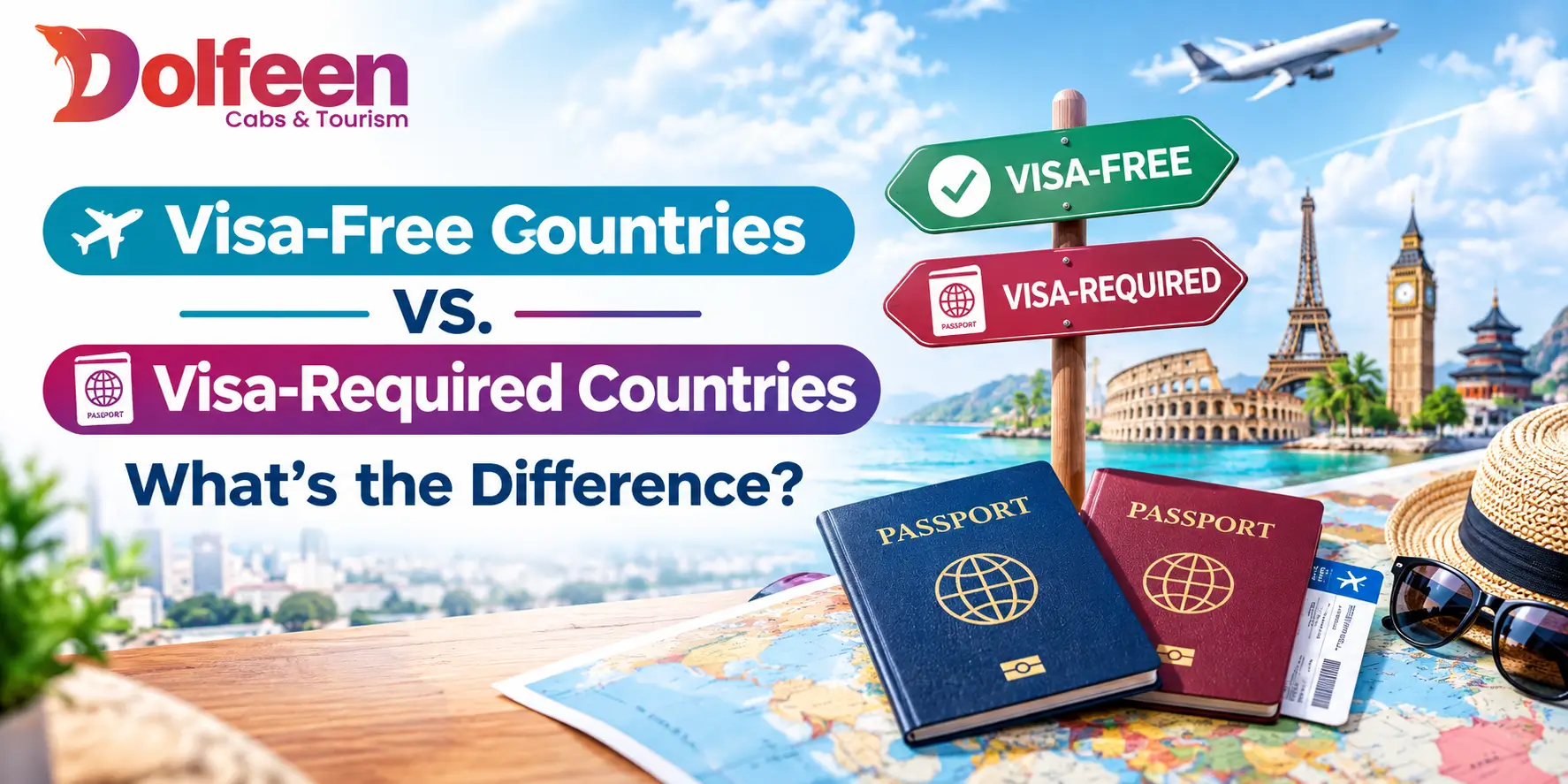
There are some destinations where travelers with visa-free status are allowed to enter without applying for a visa beforehand. On the other hand, there are those destinations where travelers are required to first apply for a visa prior to entering the destination. In this regard, understanding the difference between visa-free and visa-required countries can prove helpful in preparing for an international trip and avoiding unnecessary surprises.
Travel visa rules can be confusing because every country has its own entry requirements. Some destinations allow eligible visitors to enter without a visa, which is known as visa-free travel, while others require travelers to obtain a visa before departure. Understanding visa exemptions can also help you determine whether you need a visa for your trip. For travelers in Rajkot, consulting a travel visa company in Rajkot can make it easier to understand visa requirements, prepare the necessary documents, and check destination-specific entry conditions. This can also help Indian travelers research visa-free countries for Indian citizens before booking their trip.
What Does Visa-Free Travel Mean?
Visa‑free travel means that you can go into a country without first getting a traditional visa. Instead the destination lets you enter using your nationality, passport and the rules of its visa‑exemption policy.
For example a country might let citizens from some places visit for tourism for a time without applying for a tourist visa. Visa‑free entry does not let travelers stay forever or skip all requirements.
The destination can still look at your passport, your return or onward ticket, your place to stay, why you are traveling and other entry rules. Also your passport might need to stay valid for a time after you leave.
Visa-free travel meaning is therefore simple as travelers who are allowed access into that country do not have to get a visa prior to entry, so long as they fulfill the entry requirements of that country.
What Are Countries Without Visas?
The phrase countries without visa usually refers to destinations where citizens of a country can enter without obtaining a visa in advance.
Similarly people often search for no visa countries when they want to find destinations that allow travelers to enter without a tourist visa.
However visa policies depend on nationality. A country may offer visa- entry to citizens of one country while requiring citizens of another country to obtain a visa.
Therefore there is no list of destinations that are simply "visa-free”, for everyone. You should always check the rules for your passport before traveling.
What Does Visa-Required Travel Mean?
This refers to having to seek permission before travelling to the destination of choice where one will be allowed entry into that particular country through their embassy, consulate, immigration authorities, or visa portal.
The visa required meaning differs from one country to another according to the reason for travel. Some countries may require tourists visiting their country to have a tourist visa, while others would require different visas.
Some countries may require a passport, completed visa application form, photos, travel information, accommodation information, finances, and other supporting documents when obtaining a visa.
It is therefore important to visit the destination's official website regarding immigration before making any travel plans.
Visa-Free Countries vs. Visa-Required Countries
The main difference between visa- visa-required travel is whether you need to obtain a visa before entering the destination.
With visa- travel eligible visitors can usually enter without applying for a traditional visa, before departure. However they must still meet the destination's entry conditions.
In terms of visa-required travel, applicants will have to go through the process of applying for the visa and getting the needed visa prior to the trip.
While visa-free travel is easier from the point of view of not having to go through the visa process, visa-required travel requires more planning, since one has to get approval before traveling.
It should be noted that both types of travel do not provide automatic access. One has to prove his eligibility once reaching the destination country.
How Does Visa-Free Travel Work?
Visa-free travel normally involves a bilateral arrangement or an exemption between the countries. With visa-free travel, certain passport holders are allowed to enter the destination country without having to apply for a visa within a certain period of time.
For instance, a destination may allow qualified visitors to remain for 30, 60, or 90 days without having to obtain a visa. But this will be determined by the policy of the destination country.
Nonetheless, one must remember that not all trips qualify for visa-free travel. A person may be granted visa-free travel but only for purposes such as tourism and not employment, education, journalism, or long-term residency.
Also, some destination countries may require travelers to submit their online travel authorization prior to entering the destination country. Travel authorization is not necessarily the same as a visa.
What Are the Benefits of Visa-Free Travel?
One of the advantages of visa-free travel is that it makes travel planning simpler. This is so since individuals who are eligible for visa-free travel are not supposed to have to apply for a visa the conventional way.
Additionally, it becomes more convenient to make plans for a short trip since travelers are not required to wait for visa approvals. They may even be spared of paying visa application fees in some instances.
However, one must realize that visa-free travel does not mean lack of travel requirements. Some individuals will still have to fulfill passport validity requirements or acquire an electronic travel authorization.
In conclusion, the greatest advantage of visa-free travel is that of convenience.
What Are Visa-Required Countries?
Visa-Required Countries refer to countries where travelers from a certain national background will be required to obtain a visa prior to entry.
There is usually a variation in the procedure through which one applies for such visas depending on the country in question. One country might allow visa application online, while another will require a traveler to apply physically at the embassy/consulate.
Different types of visas are needed based on the purpose of visit. While one individual may travel on a business visa, another might require a tourism visa.
Countries That Require a Visa
Travelers often search for countries that require a visa before planning an international trip. However, you should not rely on a general list alone. Visa requirements depend on several factors, including your nationality, destination, purpose of travel, and planned length of stay.
For example, one traveler may need a visa to enter a particular country, while another traveler may enter the same country without a visa because they hold a different passport. Therefore, visa requirements can vary from one traveler to another.
Always check the visa requirements for the specific passport you plan to use. Verify the latest information through the destination country’s official immigration or government website before you travel.
Checking your visa requirements in advance helps you understand which documents, permits, or entry authorizations you need for your trip.
Visa-Free Countries for Indian Citizens
Indians frequently look up visa free countries for Indian citizens when they plan their foreign holidays. They may also use the search terms for countries to visit without a visa from India or countries that do not require a visa from India.
Such a search could provide Indians with visa free countries that allow eligible Indians to enter these countries without visas. Note that the exact list of visa-free countries could differ due to the introduction or elimination of visa exemption by governments.
If you search for a visa free country for India, it is essential first to understand whether you seek a completely visa-free entrance, visa on arrival, or some other form of visa exemption.
That is why it is necessary to always verify your visa-free countries for Indian passports against the latest official immigration data.
Indian visa free countries could thus prove to be helpful during the search of your destination, but do not forget to verify the details.
Visa-Free Does Not Mean Entry Without Conditions
A common misconception about visa-free travel is that travelers can enter a destination without meeting any conditions. In reality, visa-free entry still comes with specific immigration requirements.
Before you travel, check your passport validity, permitted length of stay, purpose of visit, accommodation details, and return or onward ticket requirements. Immigration officers may ask for these details when you arrive.
Even if your passport qualifies for visa-free entry, the destination country may require you to keep your passport valid for a certain period beyond your arrival date.
Always review the latest visa-free travel and entry requirements before your trip. Checking these rules in advance can help you avoid delays and unexpected issues at the border.
Visa-Free, Visa on Arrival, and E-Visa: What’s the Difference?
Many travelers confuse visa-free entry with other simplified visa options. Although these travel options can make international trips easier, they have different requirements and processes.
With visa-free entry, eligible travelers do not need to obtain a visa before traveling. Instead, they must meet the destination country’s entry requirements, such as passport validity, proof of accommodation, or a return ticket.
With a visa on arrival, travelers apply for and receive their visa after reaching the destination country. The process may require a visa fee, supporting documents, and other entry requirements.
Understanding the difference between visa-free entry and visa on arrival can help you prepare the right documents, budget for potential fees, and follow the correct entry procedures. Always check the latest requirements before you travel.
What Are Travel Visa Requirements?
Travel visa requirements refer to the regulations and documentation used by the destination to assess the eligibility of travelers to be granted entry.
These travel visa requirements vary depending on various elements such as nationality, destination, purpose for travel, and duration of travel.
For tourists, some of the tourist visa requirements may include passport, tourist visa application, picture, accommodation details, travel plan, evidence of finance, and exit/ onward travel information.
Other travel visa requirements may include travel insurance, financial information, invitation letter, and interview.
As travel visa requirements may vary depending on the country, travelers should consult the required regulations of the particular country.
Visa Requirements for International Travel
Visa requirements vary depending on your nationality, passport, destination, purpose of travel, and length of stay. Your passport and nationality play a key role in determining whether you need a visa.
First, check your nationality and passport requirements for your destination. Then, consider your purpose of travel and how long you plan to stay.
For example, you may enter a country without a visa for a short tourist visit. However, you may need a visa for a longer stay. Similarly, travelers visiting for work may need a work visa or permit, even when tourists can enter visa-free.
Your passport validity can also affect your travel eligibility. Some countries require your passport to remain valid for several months beyond your arrival or departure date.
Always check the latest visa requirements before you travel. Reviewing the rules in advance can help you avoid delays, denied boarding, and unexpected travel problems.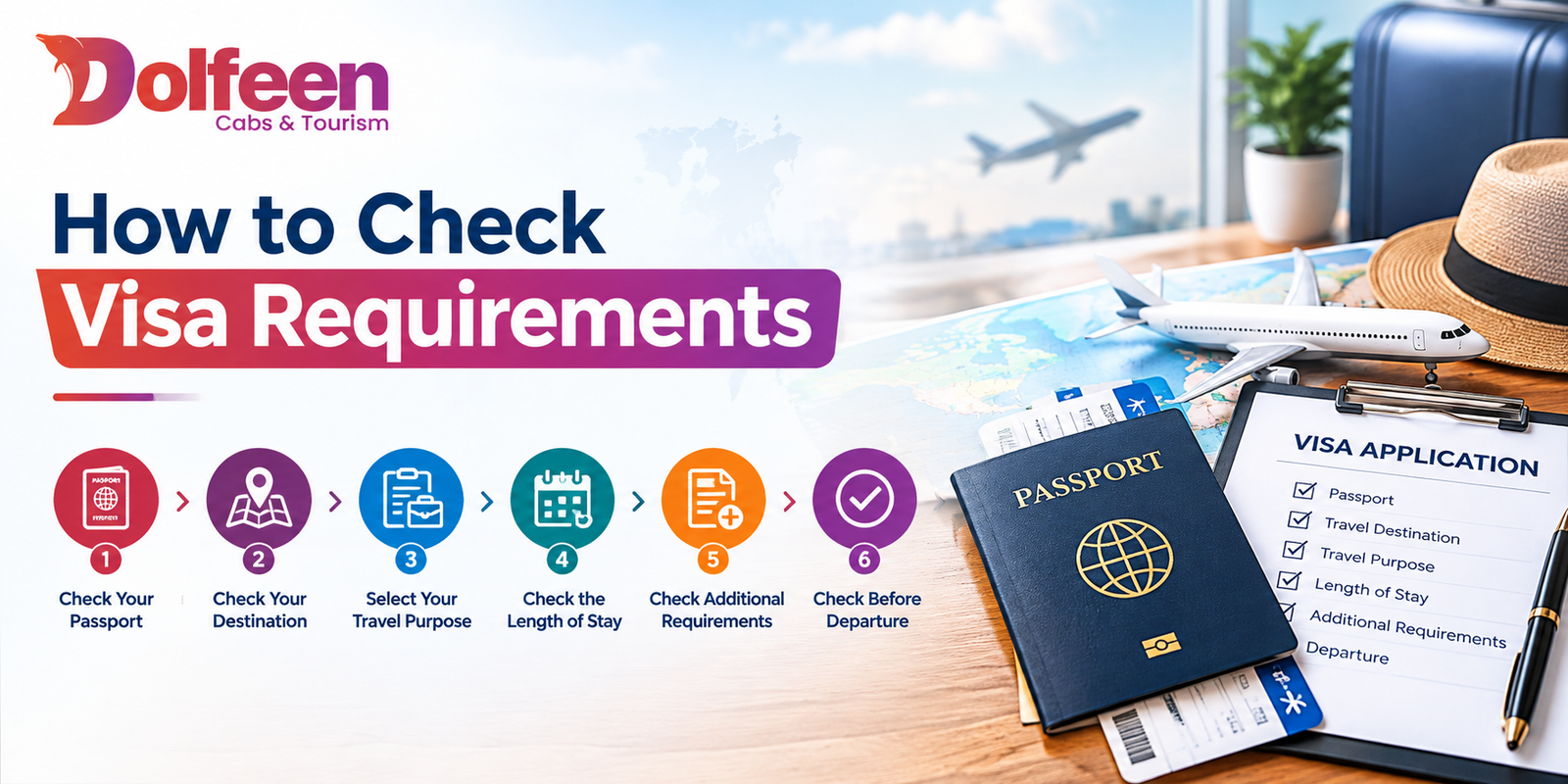
How to Check Visa Requirements
If you are wondering how to check visa requirements, start by going to the immigration website or the foreign affairs website or the embassy website of the country you are going to.
Step 1: Check Your Passport: Look at your passport. Find out which nationality is listed there. Visa rules usually depend on the passport you are using for your trip.
Step 2: Check Your Destination: Go to the government website or the immigration website of the country you are going to and look for the entry requirements.
Step 3: Select Your Travel Purpose: Make sure you know if you are traveling for tourism, for business, for study, for work, for transit or for some reason.
Step 4: Check the Length of Stay: Look at how you are allowed to stay in the country and see if this is different from the time the visa is valid for.
Step 5: Check Additional Requirements: Look for rules about how your passport needs to be valid, travel authorizations, vaccination rules proof that you have enough money, return tickets or any other conditions.
Step 6: Check Before Departure: Check the information again just before your trip because entry rules can change.
Before you travel, check your passport validity, the country you are going to, the purpose of your travel and how long you plan to stay. Then check if you need a visa, a travel authorization or any other documents.
If the country you are going to requires a visa check the application process, how long it takes to process the fees and the documents you need to provide. Finally check the requirements again just before you leave.
Can You Travel Without a Visa?
Some countries allow the traveler to travel without a visa for a specific time. This is, however, dependent on the connection between your citizenship and the immigration policy of the destination country.
Exempting the traveler from requiring a visa normally applies to certain reasons and duration. If your intention is to work, study, or stay for a long time, a different visa may be required.
Travelers must therefore ensure that their travel reasons are consistent with the conditions of the visa waiver.
What Should You Check Before International Travel?
Whether you are visiting a visa-free destination or a visa-required destination, preparation remains important.
Before your trip, check:
- Your passport validity
- Visa or visa-free eligibility
- Maximum permitted stay
- Purpose of permitted travel
- Return or onward ticket requirements
Also, check the information close to your departure date. Immigration policies can change, and an entry rule that applied several months ago may no longer apply when you travel.
Conclusion
Getting to know the distinction between visa-free countries and visa-required countries will surely make it easier for one to plan an international trip. Visa-free travel is when travelers who qualify for such are allowed to visit specific destinations without having to get their visas beforehand, and visa-required travel involves having to get the proper visa before going to the destination.
Nonetheless, visa policies may vary depending on one’s citizenship, passport type, destination country, purpose of the visit, and duration of stay. Thus, it is important to always verify visa policies by checking out the destination’s immigration website.
FAQs
1. What does visa-free travel mean?
Visa-free travel means eligible travelers can enter a country without obtaining a traditional visa before departure. However, they still need to meet the destination’s entry requirements.
2. What are visa-required countries?
Visa-required countries are destinations where travelers of a particular nationality generally need to obtain a visa before entering. The requirements can vary based on travel purpose and length of stay.
3. What is the difference between visa-free and visa on arrival?
Visa-free travel does not normally require a visa before or upon arrival. With a visa on arrival, travelers receive the visa after reaching the destination and may need to pay a fee or provide documents.
4. Are there visa-free countries for Indian citizens?
Yes, some destinations offer visa-free entry to eligible Indian passport holders. However, the list and entry conditions can change, so travelers should check the latest official requirements before traveling.
5. How can I check visa requirements?
You can check visa requirements through the destination country’s official immigration, foreign affairs, or embassy website. Check the rules based on your passport, travel purpose, and intended length of stay.
6. Can I travel without a visa to every visa-free destination?
No. Visa-free entry usually comes with conditions such as a maximum stay, permitted travel purpose, and passport validity requirements. Always confirm the specific conditions before departure.